Relaxation Techniques for Pregnancy: Reduce Stress and Sleep Better Naturally
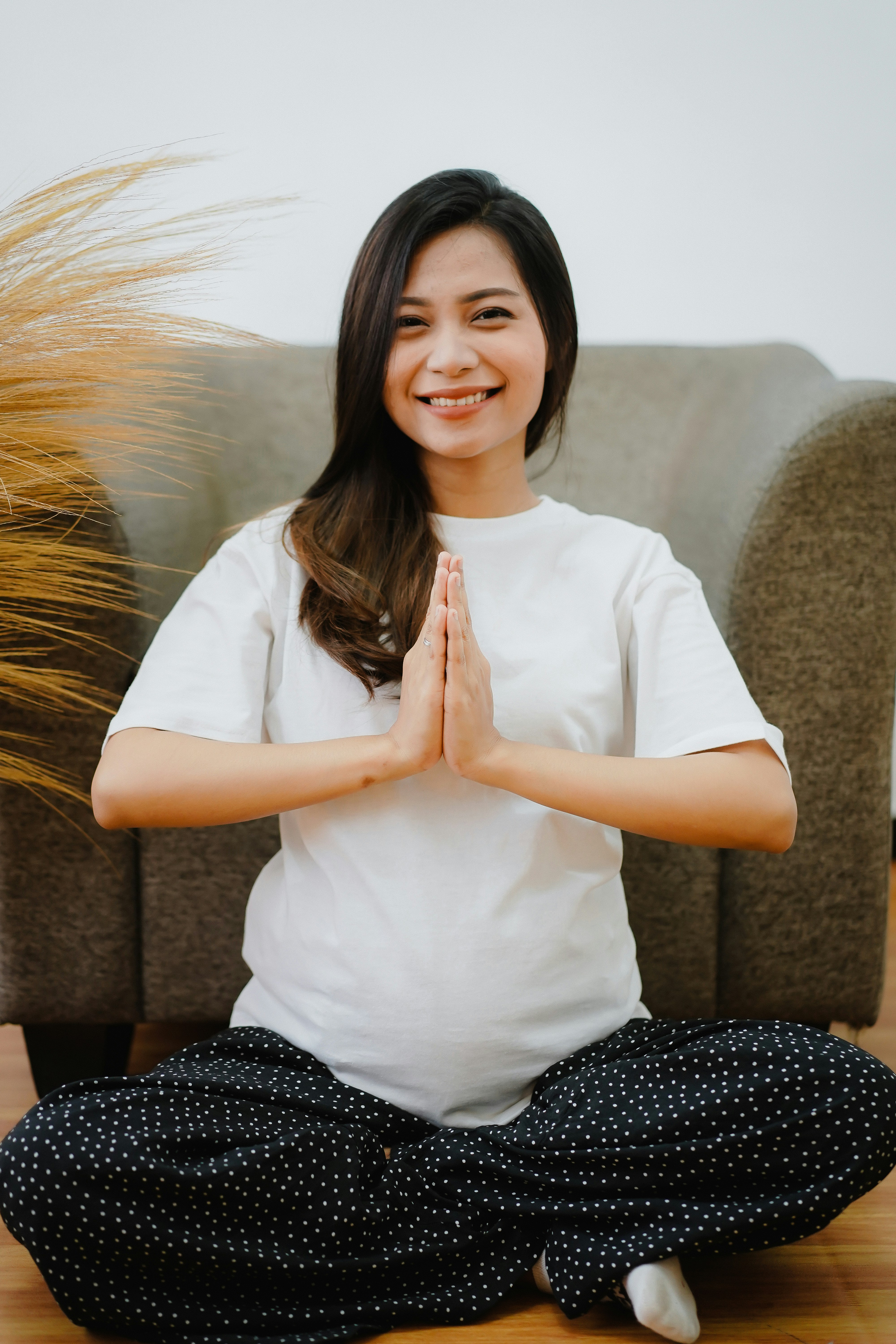
The best relaxation techniques for pregnancy include deep breathing exercises (like the 4-7-8 technique), prenatal yoga, guided meditation, aromatherapy with pregnancy-safe essential oils, and progressive muscle relaxation. Research shows that just 10-15 minutes of daily relaxation practice can significantly reduce pregnancy stress and anxiety, improve sleep quality, and even help prepare your body for labour. These techniques are safe, free, and can be practised at home.
Why Relaxation Matters During Pregnancy
Pregnancy brings a mix of excitement and anxiety. Your body is changing, hormones are fluctuating, and there's a lot to think about! While some stress is completely normal, chronic stress can affect both you and your baby.
Benefits of Regular Relaxation
- Reduces anxiety and stress hormones - Lowers cortisol levels
- Improves sleep quality - Helps with pregnancy insomnia
- Eases physical discomfort - Reduces muscle tension and headaches
- Prepares for labour - Breathing techniques help during delivery
- Lowers blood pressure - Important for pregnancy health
- Strengthens bonding - Quiet time to connect with your baby
Deep Breathing Exercises 🌼
Deep breathing is the foundation of relaxation. It activates your body's "rest and digest" response, lowering heart rate and reducing stress hormones. Best of all, you can do it anywhere, anytime!
The 4-7-8 Breathing Technique
This technique is excellent for calming anxiety and promoting sleep:
- Sit or lie in a comfortable position
- Inhale quietly through your nose for 4 seconds
- Hold your breath for 7 seconds
- Exhale completely through your mouth for 8 seconds
- Repeat 3-4 times
Belly Breathing (Diaphragmatic Breathing)
This is great for everyday stress relief:
- Place one hand on your chest and one on your belly
- Breathe in slowly through your nose, feeling your belly rise
- Your chest should stay relatively still
- Exhale slowly through your mouth
- Focus on making your exhale longer than your inhale
- Practice for 5-10 minutes
Labour Breathing Preview
Learning these techniques now will help you during labour:
- Slow breathing: In through nose (4 counts), out through mouth (6 counts)
- Focus breathing: In through nose, out through mouth with soft "hee" sound
- Transition breathing: Shallow, quick breaths for intense contractions
Prenatal Yoga 🧗
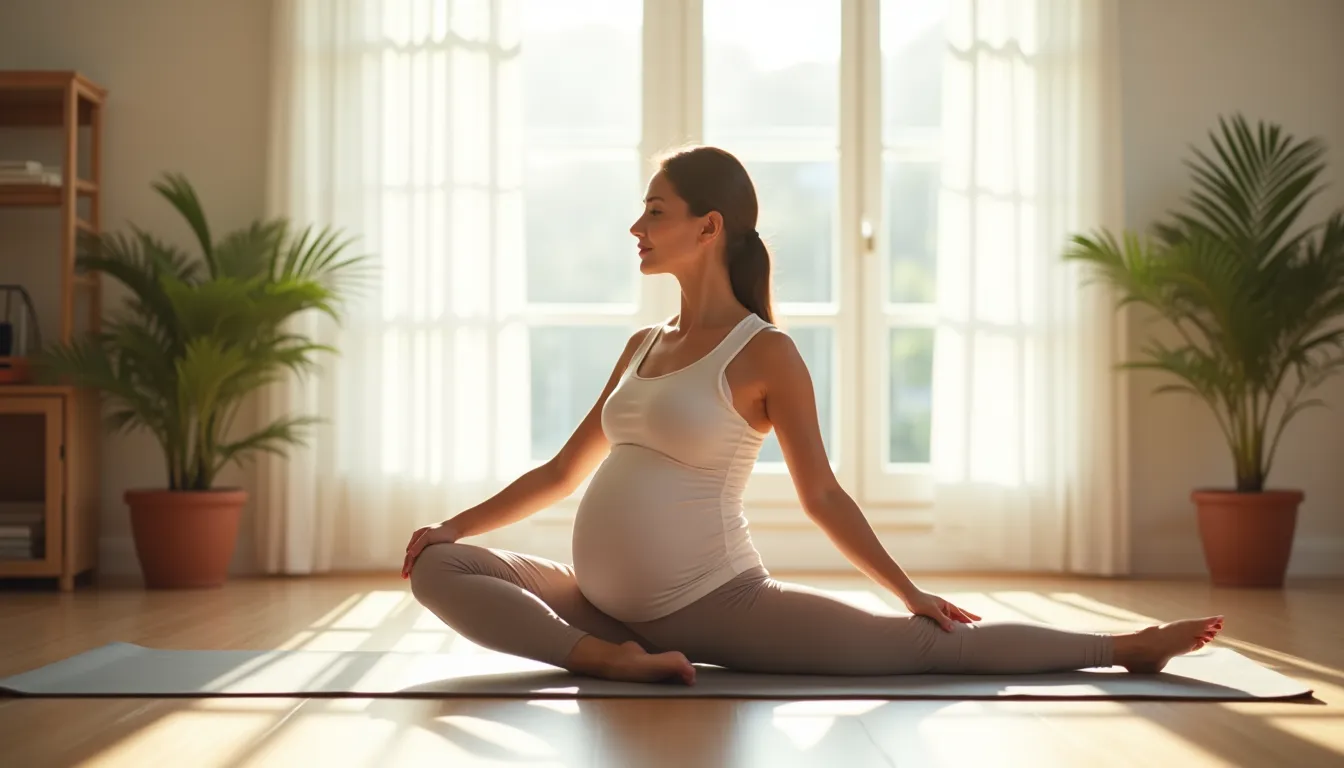
Prenatal yoga combines gentle movement, breathing, and relaxation - making it one of the most complete ways to manage pregnancy stress.
Benefits of Prenatal Yoga
- Reduces anxiety and depression
- Eases back pain and hip tightness
- Improves sleep quality
- Builds strength for labour
- Teaches breathing techniques
- Connects you with other pregnant mums
Easy Poses to Try at Home
Cat-Cow Stretch
Great for back pain and gentle movement:
- Get on hands and knees
- Inhale, drop belly, lift head (Cow)
- Exhale, round spine, tuck chin (Cat)
- Repeat 5-10 times
Child's Pose (Modified)
Restful and calming:
- Kneel with knees wide apart
- Sit back on heels (or use a pillow)
- Stretch arms forward, rest forehead on ground
- Breathe deeply for 1-2 minutes
Legs Up the Wall
Reduces swelling and promotes relaxation:
- Lie on your back with hips near a wall
- Rest legs up against the wall
- Arms relaxed at sides
- Stay for 5-10 minutes
- Note: Avoid after first trimester if lying flat is uncomfortable
Meditation and Mindfulness 🙏
You don't need to sit in silence for hours! Even 5-10 minutes of guided meditation can significantly reduce pregnancy anxiety.
Simple Mindfulness Practice
- Sit comfortably with eyes closed
- Focus on your breath - notice each inhale and exhale
- When thoughts come, acknowledge them and return to your breath
- Start with 5 minutes, gradually increase
Body Scan Meditation
Great for connecting with your changing body:
- Lie comfortably on your side with pillow support
- Starting from your toes, focus attention on each body part
- Notice any tension and consciously relax that area
- Work your way up through legs, belly, chest, arms, face
- Spend extra time connecting with your baby bump
Recommended Apps
- Expectful - Specifically for pregnancy and fertility
- Headspace - Has pregnancy meditation pack
- Calm - Sleep stories and relaxation
- Insight Timer - Free, many pregnancy-specific meditations

Aromatherapy for Relaxation 🌿
Certain essential oils can enhance relaxation when used safely during pregnancy. Aromatherapy works through your sense of smell to trigger calming responses in your brain.
Best Essential Oils for Pregnancy Relaxation
- Lavender - The classic relaxation oil, promotes sleep
- Chamomile - Calming and soothing
- Bergamot - Uplifting yet calming
- Ylang Ylang - Reduces anxiety
- Frankincense - Grounding, good for meditation
How to Use Safely
- Diffuser: 2-3 drops in water, run for 30 minutes
- Pillow spray: Mix with water in spray bottle
- Bath: Mix 2-3 drops with carrier oil before adding to bath
- Massage oil: 1% dilution with carrier oil
Relaxing Diffuser Blend
- 3 drops Lavender
- 2 drops Chamomile
- 1 drop Bergamot
Run 30 minutes before bed for better sleep.
Free Essential Oils Starter Kit
Claim your pregnancy-safe essential oils kit with lavender for relaxation and better sleep!
Claim Free Kit →
🌸 Bloom Into Motherhood — April 18, voco Orchard
Want more pregnancy wellness guidance? Bloom Into Motherhood covers TCM, chiropractic care & emotional wellness. 5 expert talks + buffet lunch + goody bag included. Every spin wins a discount.
Spin to Claim Your Ticket →Progressive Muscle Relaxation 💪
Progressive Muscle Relaxation (PMR) involves tensing and then releasing muscle groups throughout your body. It's excellent for releasing physical tension you may not even realise you're holding.
How to Practice PMR
- Lie comfortably on your side with pillows for support
- Take 3 deep breaths to settle in
- Starting with your feet:
- Tense the muscles for 5 seconds (curl your toes)
- Release and feel the relaxation for 10 seconds
- Move up through each muscle group:
- Calves - point then flex feet
- Thighs - press legs together then release
- Buttocks - squeeze then release
- Hands - make fists then release
- Arms - tense biceps then release
- Shoulders - shrug up then drop
- Face - scrunch then relax
- Finish with full body relaxation, breathing deeply
Practice for 15-20 minutes daily, or whenever you feel tense.
Relaxing Bath Rituals 🛁
A warm (not hot!) bath can work wonders for pregnancy aches and stress. The buoyancy of water takes pressure off your joints and back.
Safe Bath Guidelines
- Keep water warm, not hot (below 38C)
- Limit baths to 10-15 minutes
- Have someone nearby in case you need help getting out
- Stay hydrated - bring water to drink
Relaxing Bath Recipe
- 1 cup Epsom salts (for muscle relaxation)
- 2 drops Lavender essential oil mixed with 1 tablespoon carrier oil
- Optional: Gentle music and dim lighting
Prenatal Massage 💆
Prenatal massage, performed by a trained therapist, can safely relieve pregnancy discomforts and promote deep relaxation.
Benefits
- Reduces back and leg pain
- Decreases swelling
- Improves sleep
- Reduces anxiety and depression
- Lowers stress hormones
Things to Know
- Always choose a therapist trained in prenatal massage
- Most spas offer prenatal massage after first trimester
- You'll lie on your side or use special pregnancy pillows
- Certain pressure points are avoided during pregnancy
Partner Relaxation Activities 👭
Relaxation can be a bonding experience for you and your partner. Here are ways to involve them:
Partner Massage
- Gentle foot massage (avoid ankle pressure points)
- Back and shoulder rub
- Head and scalp massage
- Use unscented lotion or pregnancy-safe oil
Breathing Together
- Practice labour breathing techniques as a team
- Partner can count or guide breathing pace
- Builds connection and prepares for birth
Guided Relaxation
- Take turns reading relaxation scripts to each other
- Partner can guide the body scan meditation
- Creates bonding time and helps dad feel involved
Better Sleep Tips 🌙
Good sleep is essential for managing stress. Here's how to improve your pregnancy sleep:
Evening Routine
- Wind down 1 hour before bed (no screens)
- Warm bath or shower
- Gentle stretching or yoga
- Diffuse lavender essential oil
- Practice breathing exercises
Sleep Position
- Sleep on your left side (best for blood flow)
- Use pregnancy pillow for support
- Pillow between knees reduces hip pain
- Pillow under belly for support
If You Can't Sleep
- Don't watch the clock
- Try the 4-7-8 breathing technique
- Listen to a sleep meditation or calming music
- If still awake after 20 minutes, get up briefly and do something calming
Prenatal Classes in Singapore 🇬🇸
If you prefer guided classes, Singapore has many options:
Prenatal Yoga Studios
- Yoga Movement - Multiple locations
- True Yoga - Prenatal classes available
- Space2B - Specialised prenatal yoga
- Hom Yoga - Various prenatal options
Meditation & Mindfulness
- Brahm Centre - Free/low-cost meditation classes
- Singapore Management University - Mindfulness classes
- Online apps - Headspace, Calm, Expectful
Hospital-Based Programs
- KK Hospital - Parent craft classes
- Thomson Medical - Prenatal education
- Mount Elizabeth - Antenatal classes
Frequently Asked Questions
How can I relax during pregnancy?
Effective relaxation techniques during pregnancy include deep breathing exercises, prenatal yoga, meditation, aromatherapy with pregnancy-safe essential oils like lavender and chamomile, warm baths, prenatal massage, and progressive muscle relaxation. Even 10-15 minutes daily can significantly reduce stress and improve sleep.
Is stress harmful during pregnancy?
Chronic high stress during pregnancy can potentially affect both mother and baby, contributing to higher blood pressure, preterm labour, and low birth weight. However, normal everyday stress is not harmful. Managing stress through relaxation techniques, exercise, and support can help maintain a healthy pregnancy.
When should I start relaxation exercises during pregnancy?
You can start relaxation exercises as soon as you feel comfortable. Most techniques like breathing exercises and meditation are safe throughout pregnancy. For yoga, many instructors recommend waiting until after the first trimester. Check with your healthcare provider if you have any concerns.
Can relaxation techniques help with labour?
Yes! Breathing techniques, meditation, and relaxation skills learned during pregnancy can be very helpful during labour. They can help manage pain, reduce anxiety, and give you a sense of control. Many birthing classes incorporate these techniques specifically for labour preparation.
How can my partner help me relax during pregnancy?
Partners can help by giving gentle massages, practicing breathing exercises together, creating a calm home environment, taking over stressful tasks, accompanying you to prenatal classes, and simply being a supportive listener. Partner involvement in relaxation activities also helps prepare for labour support.
🌸 Bloom Into Motherhood — April 18, voco Orchard
Want more pregnancy wellness guidance? Bloom Into Motherhood covers TCM, chiropractic care & emotional wellness. 5 expert talks + buffet lunch + goody bag included. Every spin wins a discount.
Spin to Claim Your Ticket →